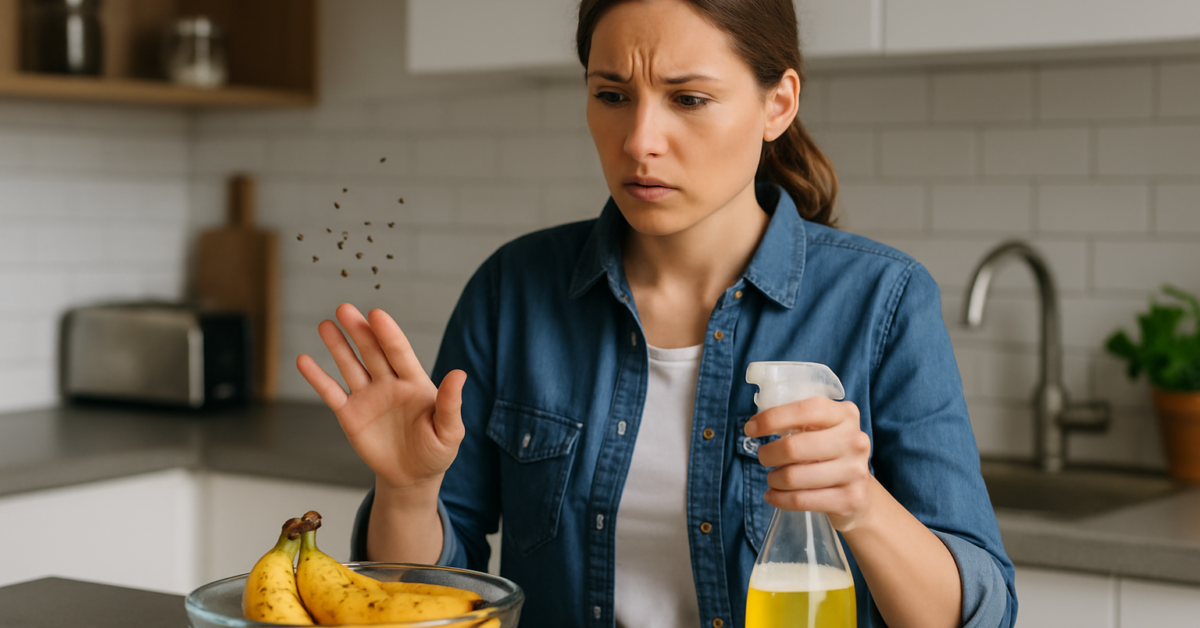
How to Get Rid of Gnats in Kitchen: Proven Strategies
Are gnats invading your kitchen and ruining your cooking experience? You’re not alone; these tiny pests can multiply quickly, making it challenging to reclaim your space. Understanding how to get rid of gnats in kitchen effectively is essential for maintaining a clean and healthy environment. With over 15 years of expertise in pest management, I will guide you through practical strategies to eliminate these nuisances. In this article, you will learn about the various types of gnats that commonly infest kitchens, effective prevention techniques, and natural remedies to keep them at bay. Say goodbye to your gnat problem and restore comfort in your kitchen!

Understanding Gnats in the Kitchen
Gnats are small flying insects often found in kitchens, particularly in areas with moisture or organic material. Identifying the type of gnat is crucial for effective removal. The most common types include fruit flies, fungus gnats, and drain flies. Each type has specific breeding grounds and habits. Understanding these aspects can help in formulating an effective strategy for elimination. Generally, gnats thrive in warm, damp environments where food and moisture are readily available, making kitchens prime locations for infestations.
Types of Gnats
The most common types of gnats found in kitchens include fruit flies, which breed in overripe fruits; fungus gnats, typically found in potted plants; and drain flies, which thrive in stagnant water. Identifying the type of gnat present can guide appropriate removal strategies.
Common Breeding Grounds
Gnats often breed in damp areas where organic matter is present. Common breeding grounds in kitchens include fruit bowls, garbage disposals, sink drains, and potted plants. Keeping these areas clean and dry is essential in managing gnat populations.
Key Points:
- Identifying the type of gnat is essential for effective control.
- Gnats thrive in moist environments with organic material.
💡 Regularly inspect and clean areas where food is stored or prepared to reduce gnat attraction.
Preventative Measures to Keep Gnats Away
Preventing gnats in the kitchen involves a combination of cleanliness and proactive measures. Keeping surfaces clean, sealing food properly, and managing moisture can significantly reduce the likelihood of an infestation. Regularly emptying trash cans and cleaning up spills can eliminate potential breeding grounds. Additionally, addressing leaks and ensuring proper drainage can further deter these pests from establishing themselves in your kitchen.
Cleaning Practices
Maintain a clean kitchen by regularly wiping down counters, washing dishes promptly, and cleaning up food spills. A clean environment minimizes food sources for gnats, reducing their attraction to your kitchen.
Moisture Control
Address sources of moisture, such as leaks or standing water. Use a dehumidifier if necessary, and ensure proper drainage in sinks and other areas. Reducing moisture makes your kitchen less hospitable to gnats.
Key Points:
- Regular cleaning and proper food storage can prevent gnat infestations.
- Moisture control is key in making your kitchen less attractive to gnats.
💡 Seal food items in airtight containers to prevent gnats from accessing them.
Understanding Gnat Behavior and Lifecycle
To effectively get rid of gnats in the kitchen, it’s crucial to understand their behavior and lifecycle. Gnats, particularly fruit flies and fungus gnats, thrive in moist environments and are often attracted to overripe fruits, vegetables, and stagnant water. Their lifecycle can be completed in just a week, making rapid action essential. Identifying their breeding grounds—such as garbage disposals, drains, and potted plants—can help target your efforts effectively.
Identifying Gnat Types
Different types of gnats require different strategies. Fruit flies are usually attracted to ripening or decaying fruits, while fungus gnats breed in moist soil. Observing their behavior can help you determine which type you’re dealing with, allowing for more precise control measures.
Lifecycle Insights
Understanding the four stages of a gnat’s lifecycle—egg, larva, pupa, and adult—can inform your eradication strategy. Targeting their breeding sites is essential during the egg and larva stages, as adults are easier to catch once their numbers are reduced.
Key Points:
- Gnats thrive in moist, organic materials.
- Identifying the type of gnat is crucial for effective control.
💡 Regularly inspect and clean areas where food is stored to prevent attracting gnats.
💡 Use traps to monitor gnat populations and identify problem areas quickly.
Effective Control and Prevention Strategies
Once you understand gnat behavior, implementing effective control and prevention strategies is next. Start by cleaning your kitchen thoroughly to eliminate food sources. Use homemade traps and natural repellents to catch existing gnats. Additionally, preventative measures, such as proper food storage and maintaining a dry kitchen environment, can significantly reduce the likelihood of future infestations.
Cleaning and Sanitization
Regular cleaning is essential for gnat control. Focus on areas where food particles accumulate, like countertops, sinks, and garbage disposals. Empty garbage cans frequently and consider using a disinfectant to eliminate potential breeding sites. A clean kitchen is less appealing to gnats.
Homemade Traps and Repellents
Creating simple traps can be an effective way to reduce gnat populations. For example, a bowl of apple cider vinegar covered with plastic wrap, with small holes poked in the top, attracts and traps gnats. Essential oils like peppermint and eucalyptus can also deter them when mixed with water and sprayed around the kitchen.
Key Points:
- Thorough cleaning can eliminate food sources for gnats.
- Effective traps can reduce gnat populations significantly.
💡 Seal food containers tightly to avoid attracting gnats.
💡 Regularly check and maintain potted plants to prevent fungus gnat infestations.
EXPERT TIPS Pro Advice
Use a vacuum for quick clean-up.
Quickly vacuuming areas where gnats congregate can physically remove them and their eggs, helping to reduce the overall population quickly.
Monitor humidity levels.
Keeping humidity low in your kitchen can deter gnats, as they thrive in moist environments. Consider using a dehumidifier if necessary.
Rotate food storage.
Regularly rotating your food and disposing of any overripe items can prevent gnats from establishing a breeding ground in your kitchen.
Seal entry points.
Ensure windows and doors are properly sealed to prevent gnats from entering your kitchen. Screens can also help keep them out.
Frequently Asked Questions
Conclusion
Getting rid of gnats in your kitchen requires a combination of cleanliness and effective trapping methods. By addressing the sources of attraction and implementing preventive measures, you can manage and eliminate these pests efficiently. Consistency in these practices will ensure a gnat-free kitchen.
🎯 Key Takeaways:
- Identify and eliminate food sources attracting gnats.
- Use natural traps like apple cider vinegar to catch gnats.
- Maintain kitchen cleanliness to prevent future infestations.
- Avoid chemical sprays for safer pest control.
Expert Advice: Stay vigilant by regularly inspecting your kitchen for signs of gnats and maintaining cleanliness. Small, consistent actions can make a big difference in keeping your kitchen gnat-free.
Take proactive steps today to ensure your kitchen remains a safe and enjoyable space.