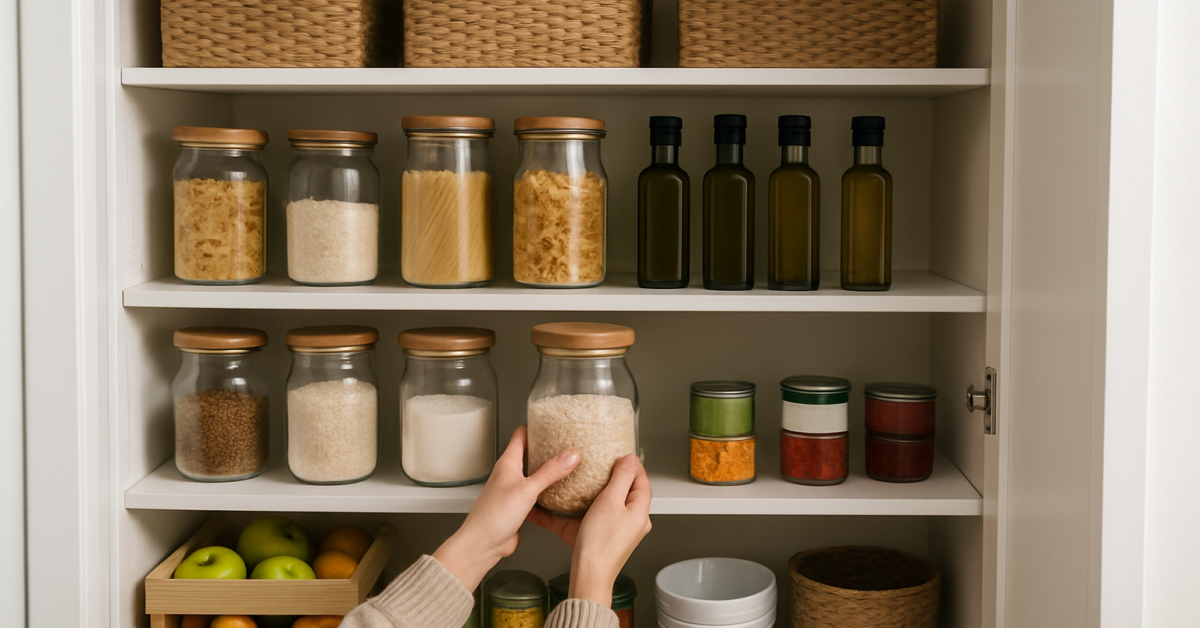
How to Organize Kitchen Pantry: Effective Strategies for Success
Is your kitchen pantry overflowing with items, making it difficult to find what you need? Studies show that a well-organized pantry can save you time and reduce stress during meal prep. As a seasoned expert in kitchen organization, I’ve helped countless individuals transform their cluttered spaces into functional areas. In this article, you’ll learn how to organize your kitchen pantry efficiently, from categorizing items to maximizing storage space. Whether you’re tackling a small cupboard or a walk-in pantry, these practical strategies will help you create an inviting and orderly environment that enhances your cooking experience.
Understanding the Importance of an Organized Pantry
An organized kitchen pantry is essential for efficiency and ease of use. It allows you to quickly find ingredients, reduces food waste, and enhances your cooking experience. A well-organized pantry can save you time during meal prep and help you maintain a healthy diet by keeping track of your ingredients. Moreover, it creates a visually appealing space, making your kitchen more inviting. By understanding the key elements of pantry organization, you can create a system that works for your cooking habits and lifestyle.
Benefits of a Well-Organized Pantry
A well-organized pantry offers numerous benefits, including time savings during meal preparation and reduced stress while cooking. It also helps in inventory management, ensuring that you use ingredients before they expire. Additionally, an organized pantry can encourage healthy eating habits by making nutritious options more accessible.
Common Challenges in Pantry Organization
Common challenges include limited space, clutter from rarely used items, and difficulty in locating ingredients. These issues can lead to frustration and wasted food. Understanding these challenges is the first step toward developing effective solutions that will keep your pantry neat and functional.
Key Points:
- An organized pantry enhances cooking efficiency
- It reduces food waste and promotes healthier eating habits
Assessing Your Pantry Space
Before you start organizing your pantry, it’s crucial to assess the space you have. This involves evaluating the size, layout, and existing storage solutions. Take note of the shelving, drawers, and any containers currently in use. Understanding the dimensions and layout of your pantry will help you determine how to best utilize the space. Consider the types of food you store and how frequently you access them to inform your organization strategy.
Measuring Your Pantry Space
Begin by measuring the height, width, and depth of your pantry. This information will help you choose the right storage solutions and ensure everything fits well. Knowing your measurements also aids in planning how to categorize items effectively within the available space.
Evaluating Current Storage Solutions
Take stock of your current shelving, bins, and containers. Identify what works and what doesn’t. Are there items that take up too much space or that you rarely use? This evaluation helps you make informed decisions about what to keep and what to remove.
Key Points:
- Assessing your space is vital for effective organization
- Understanding storage solutions helps optimize functionality
Assessing Your Pantry Space
Before diving into organization, it’s essential to assess your pantry space thoroughly. Start by emptying the pantry completely and cleaning the shelves. This helps you understand the available space and identify items you no longer need. Categorize items into groups such as canned goods, grains, snacks, and baking supplies. This initial step will give you a clear picture of what you have, enabling you to optimize the layout based on frequency of use and product size.
Decluttering and Discarding
Begin by checking expiration dates and discarding any expired items. This not only clears space but also ensures that you are consuming safe food products. Consider donating non-perishable items that you won’t use. Keeping your pantry stocked only with necessary items prevents clutter and makes it easier to find what you need.
Measuring and Analyzing Space
Take measurements of your pantry’s height, width, and depth. This will help you determine the best use of space and whether additional storage options like stackable bins or shelves are needed. Knowing your dimensions enables you to maximize storage while maintaining accessibility.
Key Points:
- Assessing your pantry helps to identify what to keep and discard.
- Measuring space can lead to better organization and functionality.
💡 Clear out your pantry completely to reset and assess what you truly need.
💡 Use clear bins to categorize similar items, making it easier to locate them.
💡 Consider vertical space; utilize shelves or stacking bins for better organization.
Implementing a Functional Organization System
Once you have assessed and decluttered, the next step is to implement an organizational system. This involves grouping similar items together and deciding the best storage solutions. Use clear containers for visibility and labels for easy identification. Arrange items based on usage frequency, placing everyday items at eye level and less frequently used items on higher shelves. This system not only makes cooking more efficient but also helps maintain order over time.
Categorization Techniques
Organize pantry items into categories such as baking, snacks, and canned goods. This allows for quick access to what you need when cooking. Consider grouping by meal types, such as breakfast or dinner, to create a more intuitive layout that fits your cooking habits.
Utilizing Containers and Labels
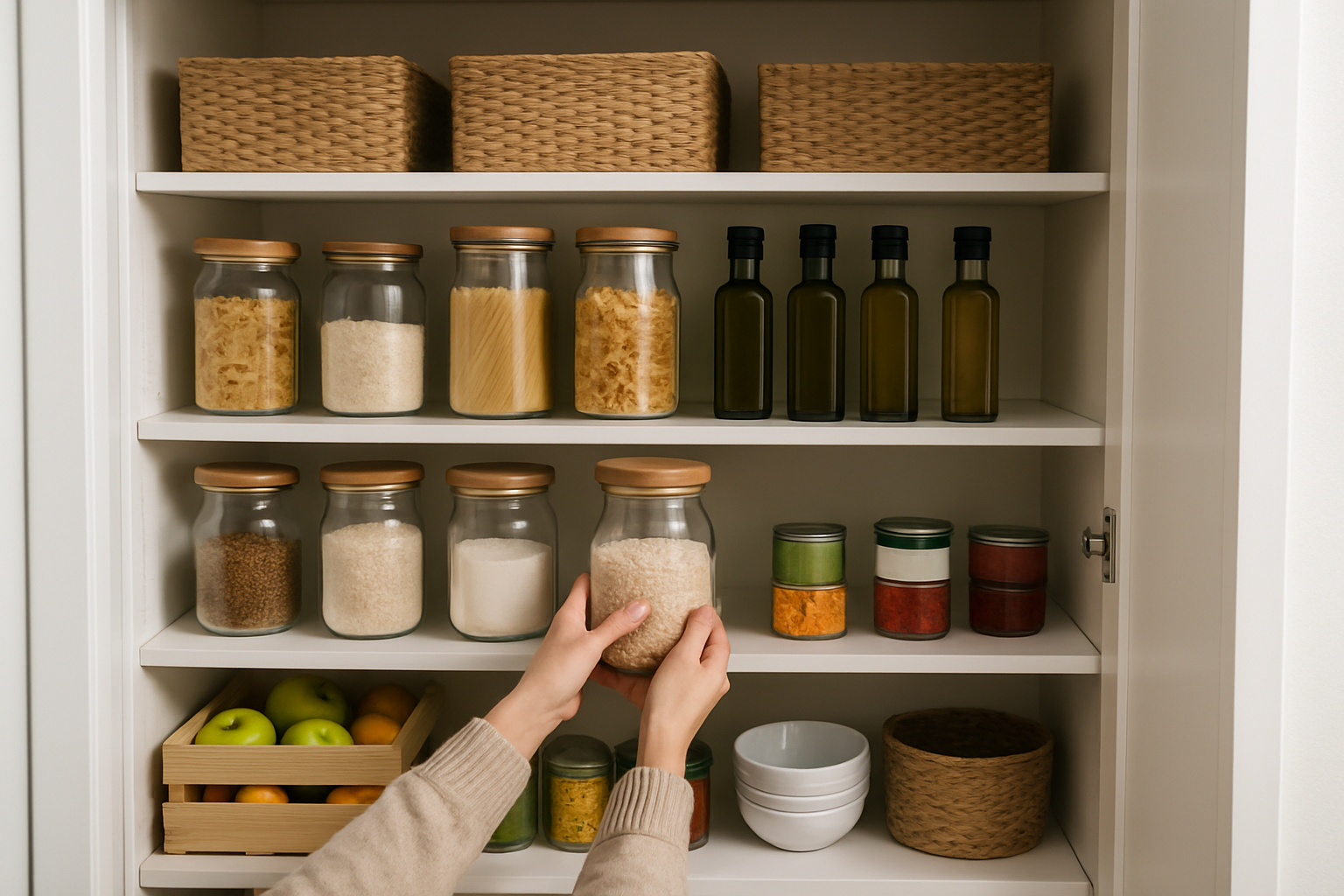
Invest in clear, airtight containers for bulk items like grains and snacks to keep them fresh while allowing for easy visibility. Label each container clearly, including the contents and expiration date. This not only enhances organization but also helps track inventory efficiently.
Key Points:
- A functional organization system streamlines cooking and reduces waste.
- Clear containers and labels promote visibility and accountability in pantry management.
💡 Store frequently used items at eye level to save time during meal prep.
💡 Label everything; it saves time and helps everyone in the household find what they need.
💡 Rotate items regularly to ensure older products are used first.
EXPERT TIPS Pro Advice
Adopt a ‘one in, one out’ rule
This strategy helps prevent clutter by ensuring that for every new item you bring into the pantry, an old one must go out, maintaining balance and organization.
Use transparent containers
Transparent containers allow you to see contents at a glance, reducing the time spent searching for items and ensuring you don’t accidentally buy duplicates.
Utilize lazy Susans for corner spaces
Lazy Susans can maximize corner space, making it easier to access hard-to-reach items without having to dig through the pantry.
Regularly revisit your organization system
Reassess your pantry organization every few months. This helps adapt to changing needs and ensures that everything remains in its designated place.
Create a pantry inventory list
Keeping an inventory helps track what you have and what needs restocking, reducing food waste and ensuring you’re prepared for meal planning.
Frequently Asked Questions
Conclusion
Organizing your kitchen pantry enhances efficiency and minimizes waste. By categorizing items, utilizing bins, and maintaining regular checks, you can create a functional space. Maximize your pantry’s potential by adopting sustainable practices and regularly assessing your inventory.
🎯 Key Takeaways:
- Categorize pantry items for easy access.
- Use vertical space and bins to maximize storage.
- Regularly check and discard expired food.
- Maintain organization with monthly checks.
Expert Advice: Stay committed to your pantry organization efforts. Developing a consistent routine will help you maintain a clutter-free space, making meal preparation more enjoyable and efficient.
Start organizing your pantry today for a more efficient kitchen tomorrow!