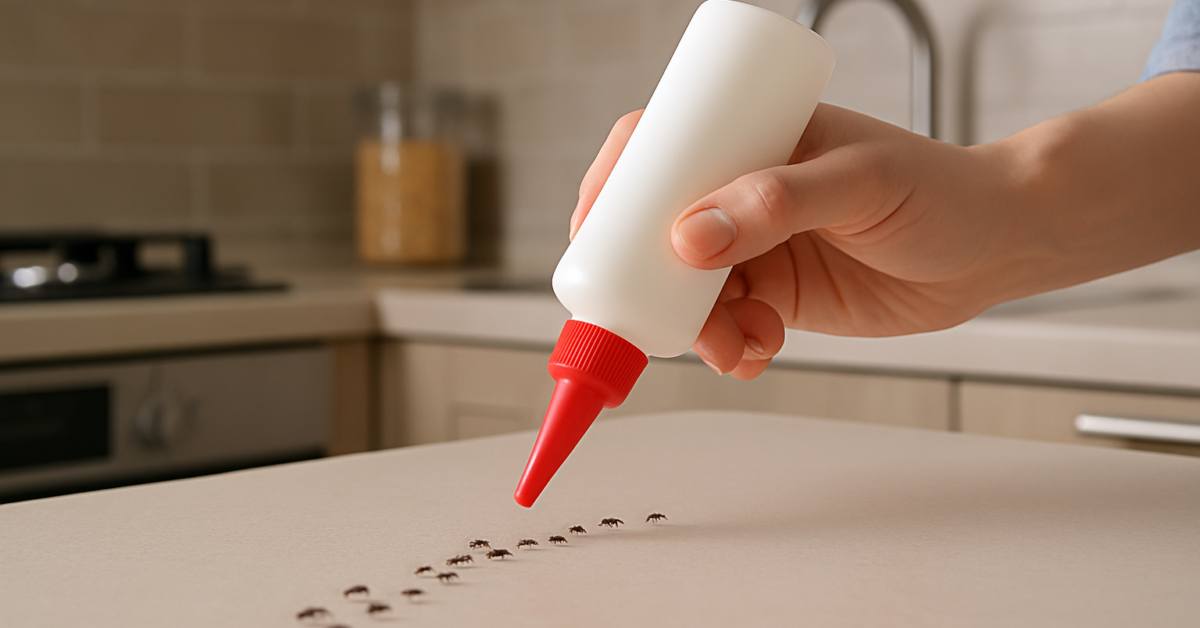
How to Get Rid of Ants in Kitchen: Effective Strategies
Are you tired of finding ants marching across your kitchen counters or invading your pantry? You’re not alone. A staggering number of homeowners face this frustrating issue every year. Understanding how to get rid of ants in kitchen is essential for maintaining a clean and hygienic cooking space. With over 15 years of experience in pest management and home maintenance, I will guide you through effective strategies to eliminate these pesky pests. In this article, you will learn about the various types of ants, practical prevention methods, and step-by-step instructions for safe removal. Say goodbye to your ant problem and reclaim your kitchen!
Understanding Ant Behavior
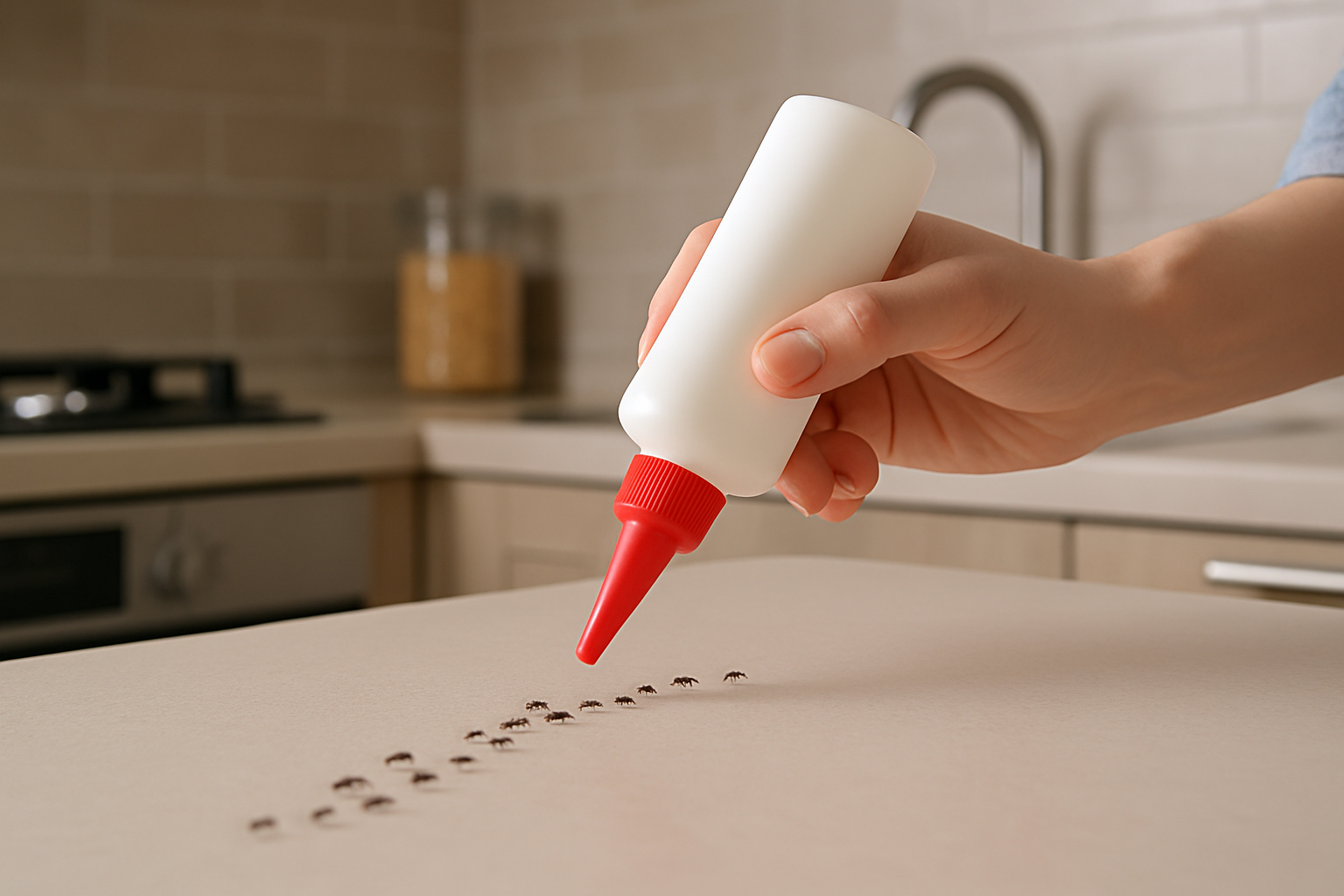
To effectively get rid of ants in the kitchen, it’s crucial to understand their behavior. Ants are social insects that live in colonies and communicate through scent trails. Once a foraging ant finds food, it leaves a pheromone trail back to the nest, leading other ants to the same source. Recognizing this behavior helps in identifying and eliminating their entry points and food sources, making it easier to control their population. Additionally, different species of ants have varied behaviors and preferences, which can influence the methods used to deter them.
Common Ant Species in Kitchens
The most common ants found in kitchens include sugar ants, carpenter ants, and fire ants. Sugar ants are attracted to sweet foods, while carpenter ants prefer wood and moisture. Fire ants can pose a sting risk. Identifying the species helps tailor control methods, as different ants might respond to different deterrents or baits.
Ant Foraging Patterns
Ants typically forage in the early morning or late afternoon. Observing these patterns can help in timing your control efforts. If you notice an ant trail, follow it to its source to find where they are entering and what food sources they are targeting. This knowledge is essential for effective eradication.
Key Points:
- Understanding ant behavior is key to effective control
- Identifying the species helps tailor your approach
Preventive Measures to Discourage Ants
Preventing ants from invading your kitchen is often more effective than dealing with an infestation. Start by sealing cracks and openings around windows, doors, and the foundation. Ants can enter through tiny gaps, so thorough inspections are crucial. Additionally, keeping the kitchen clean and free from food debris discourages ants from foraging. Regularly wiping down surfaces and storing food in airtight containers can significantly reduce the chances of an ant invasion.
Sealing Entry Points
Inspect your kitchen for cracks, gaps, or crevices where ants could enter. Use caulk or weather stripping to seal these entry points. Pay particular attention to areas around plumbing and electrical conduits, as these are common access points for ants. This basic preventive step can greatly reduce the likelihood of an infestation.
Maintaining Kitchen Cleanliness
A clean kitchen is your first line of defense against ants. Regularly sweep and mop floors to eliminate crumbs and spills. Store food in sealed containers and promptly clean up any spills or food debris. By minimizing food sources, you can make your kitchen less attractive to ants and reduce the chances of their presence.
Key Points:
- Sealing entry points reduces ant access
- Maintaining cleanliness is essential for prevention
Understanding Ant Behavior
To effectively get rid of ants in your kitchen, it’s essential to understand their behavior and habits. Ants are social insects that communicate through pheromones, leaving trails for others to follow. Identifying the type of ant you’re dealing with can help tailor your approach. Additionally, ants are attracted to food sources, especially sugary and fatty substances, so maintaining cleanliness is crucial. By disrupting their trails and removing their food sources, you can significantly reduce their presence in your kitchen.
Identify the Ant Species
Different species of ants have varying behaviors and food preferences. For instance, sugar ants are drawn to sweet foods, while grease ants prefer fatty substances. Identifying the species can help in choosing the most effective removal strategy. Use online resources or consult pest control experts to determine which ant you are dealing with.
The Role of Pheromones
Ants use pheromones to communicate and establish foraging trails. When you see ants, they are likely following a pheromone trail to food. Disrupting this trail is vital for prevention. Clean affected areas with soap and water to erase the pheromone paths, making it difficult for other ants to follow.
Key Points:
- Understanding ant behavior is essential for effective control.
- Identifying the ant species can help tailor your approach.
💡 Keep food stored in airtight containers to minimize attractants.
💡 Regularly clean surfaces and floors to remove crumbs and spills.
Effective Removal Techniques
Once you understand ant behavior, implementing effective removal techniques is crucial. There are several methods available, including natural remedies, exclusion practices, and baiting techniques. Natural remedies can deter ants without harmful chemicals, while exclusion practices help prevent future infestations. Baiting techniques focus on attracting ants to a poisonous bait, which they carry back to their colony, effectively reducing their numbers.
Natural Remedies
Natural remedies like vinegar, baking soda, and essential oils can deter ants without introducing chemicals into your kitchen. Mixing equal parts vinegar and water in a spray bottle can disrupt pheromone trails and repel ants. Essential oils such as peppermint and tea tree oil can also be effective when sprayed around entry points.
Exclusion Practices
Preventing ants from entering your kitchen is as crucial as removing them. Seal cracks and crevices in walls, around windows, and doors to eliminate entry points. Additionally, ensure that all food is properly stored and that garbage is sealed tightly to remove attractive food sources.
Baiting Techniques
Using bait is an effective strategy for severe infestations. Place ant bait stations in areas where you’ve observed activity. The ants will consume the bait and return it to their colony, gradually killing off the population. Ensure the bait is placed out of reach of pets and children for safety.
Key Points:
- Natural remedies can be effective and safe for kitchen use.
- Sealing entry points is critical for long-term prevention.
💡 Use a combination of methods for comprehensive control.
💡 Regularly inspect your kitchen for signs of ants and act quickly.
EXPERT TIPS Pro Advice
Monitor Ant Activity
Regularly check for signs of ant activity, such as trails or nests. Early detection allows for prompt action, preventing larger infestations.
Use Bait Strategically
Place bait near ant trails but away from food areas. This increases the chances of ants taking the bait back to their colony, effectively reducing the population.
Maintain a Clean Kitchen
Consistently clean your kitchen to remove food residues. A clean environment is less attractive to ants and reduces the likelihood of infestations.
Educate Household Members
Ensure everyone in the household understands the importance of keeping food stored properly and maintaining cleanliness. Collective efforts enhance ant control.
Frequently Asked Questions
Conclusion
To effectively get rid of ants in your kitchen, focus on prevention, cleanliness, and targeted remedies. Identifying the source of attraction and sealing entry points is crucial. If these methods don’t work, consider seeking professional assistance for a more permanent solution.
🎯 Key Takeaways:
- Identify and eliminate food sources that attract ants.
- Seal entry points to prevent ant access.
- Use home remedies like vinegar or essential oils to deter ants.
- Monitor the situation and consider professional help if infestations persist.
Expert Advice: Stay proactive in your kitchen maintenance. Regular cleaning and vigilance can significantly reduce the chances of an ant invasion. Don’t hesitate to take swift action at the first sign of ants to keep your kitchen ant-free.
Start implementing these strategies today to safeguard your kitchen from ants and create a cleaner, more enjoyable cooking environment.