How to Get Rid of Fruit Flies in Kitchen: Effective Solutions
Are you tired of battling pesky fruit flies in your kitchen? You’re not alone—these tiny pests can quickly turn your cooking space into a breeding ground. With over 15 years of experience in pest control strategies, I understand the frustration of dealing with fruit fly infestations. In this article, you’ll learn practical and effective methods on how to get rid of fruit flies in kitchen environments. From identifying their breeding grounds to implementing preventive measures, we’ll cover everything you need to know to reclaim your kitchen from these unwelcome guests. Say goodbye to fruit flies and hello to a cleaner, more hygienic kitchen!
Understanding Fruit Flies
Fruit flies, scientifically known as Drosophila melanogaster, are tiny insects that thrive in areas with rotting or fermenting produce. They are particularly attracted to ripe fruits, vegetables, and other organic materials. Understanding their life cycle is crucial for effective removal. Adult fruit flies can lay up to 500 eggs, which hatch within a day, leading to rapid population growth. Therefore, a proactive approach is essential in preventing infestations from spiraling out of control. Effective management includes identifying breeding sites and implementing sanitation practices to eliminate attractants.
Why They Are Attracted to Your Kitchen
Fruit flies are primarily attracted to fermenting fruits and vegetables, sugary substances, and decaying organic matter. They can also be drawn to spills, dirty dishes, or garbage left uncovered. Understanding these attractants will help in targeting the areas that need immediate attention to reduce their presence in your kitchen.
Key Points:
- Fruit flies reproduce quickly, making early detection crucial.
- They are attracted to ripe and decaying fruits and organic matter.
Preventive Measures to Avoid Infestation
Preventing fruit flies from entering and breeding in your kitchen is essential for long-term management. Regular cleaning and proper food storage can significantly reduce their chances of infestation. Start by ensuring that all fruits and vegetables are stored in the refrigerator or sealed containers. Additionally, maintaining a clean kitchen environment by promptly cleaning spills and disposing of food waste can deter fruit flies from settling in. Establishing these habits creates an inhospitable environment for fruit flies, making it less likely for them to invade your space.
Regular Cleaning Routines
Implement a routine cleaning schedule that includes wiping down countertops, cleaning spills immediately, and ensuring that trash cans are emptied regularly. Pay attention to less obvious areas, such as under appliances and behind cabinets, where food debris can accumulate and attract fruit flies.
Key Points:
- Store food properly to limit access for fruit flies.
- Regular cleaning is essential to prevent infestations.
Understanding the Fruit Fly Life Cycle
To effectively eliminate fruit flies, it’s crucial to understand their life cycle. Fruit flies lay eggs on decaying fruits and vegetables, and within just 24 to 30 hours, eggs hatch into larvae. These larvae feed on the decaying matter, growing into adult flies within a week. Knowing this timeline helps you target your cleaning and prevention efforts more strategically, as immediate action can disrupt their reproduction cycle and prevent infestations from worsening.
Identifying Breeding Grounds
Fruit flies thrive in places where organic matter is present. Common breeding grounds include overripe fruits, open containers of juice or wine, and trash bins. Regularly inspect your kitchen for these potential hotspots and clean them thoroughly to eliminate existing eggs and larvae. The more proactive you are in identifying these areas, the more effective your eradication efforts will be.
Recognizing Adult Fruit Flies
Adult fruit flies are small, about 1/8 inch long, and are often mistaken for other fly species. They are typically tan or light brown with red eyes. Learning to identify them quickly can help you assess the severity of an infestation. If you notice a sudden increase in their presence, take immediate action to address the source and prevent further reproduction.
Key Points:
- Understanding the life cycle aids in timely intervention.
- Identifying breeding sites is crucial for effective elimination.
💡 Inspect your kitchen daily for ripe fruits to prevent breeding grounds.
💡 Seal trash bins tightly to limit access and breeding opportunities.
Effective Eradication Strategies
Eliminating fruit flies involves a combination of cleaning and trapping methods. Begin by thoroughly cleaning your kitchen to remove any food residues and breeding sites. After that, set up traps to catch any lingering adults. Homemade traps using vinegar or fruit can be particularly effective. By maintaining a clean environment and using traps, you can significantly reduce the fruit fly population in your kitchen.
Cleaning Techniques
Start by clearing out any overripe fruits and cleaning surfaces where food particles may accumulate. Pay special attention to areas under appliances, around sinks, and inside trash bins. Use a mixture of soap and water to wipe down surfaces, as this can help remove eggs and larvae. Regular cleaning routines will not only help eliminate existing flies but also prevent future infestations.
Setting Up Traps
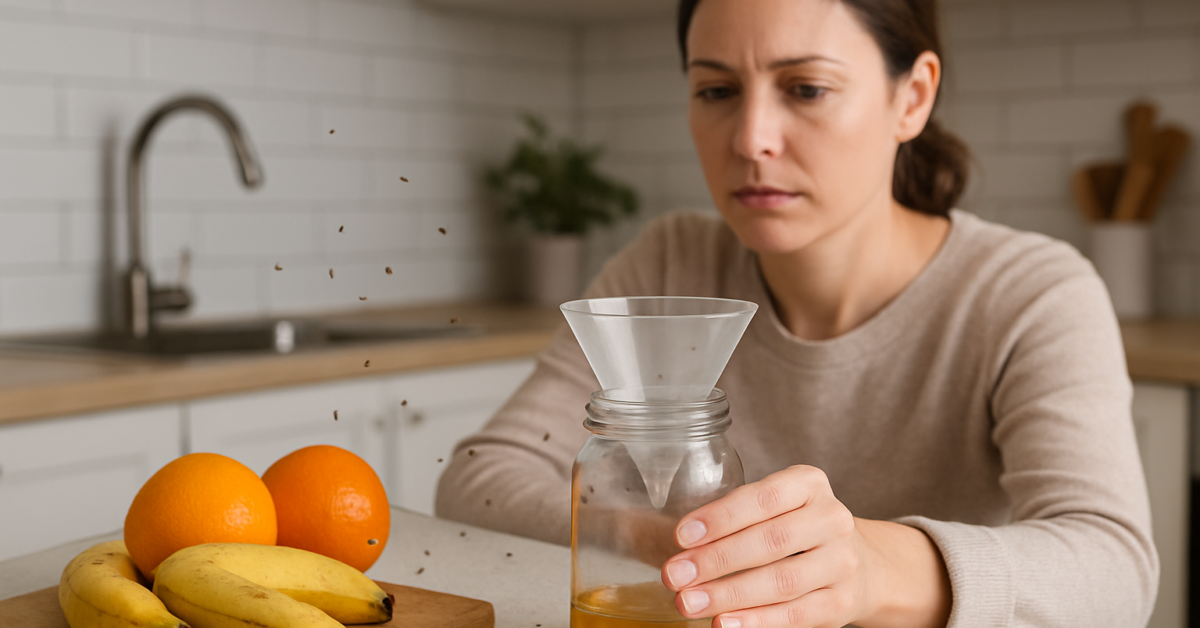
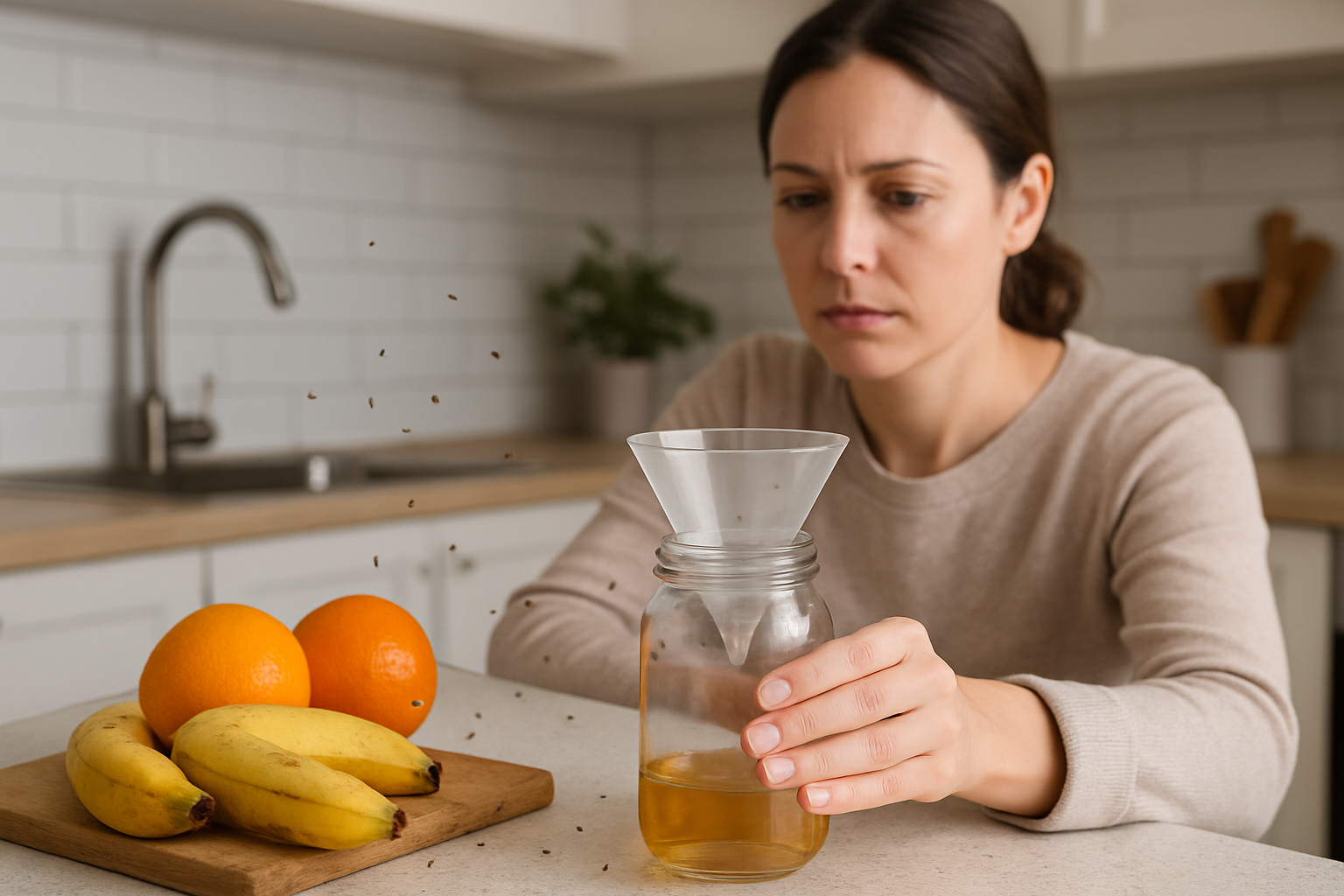
To trap adult fruit flies, consider using a simple vinegar trap. Fill a bowl with apple cider vinegar and cover it with plastic wrap, poking small holes in the top. The flies will be attracted to the vinegar and will enter but won’t be able to escape. Place these traps strategically around your kitchen to effectively capture any remaining flies and monitor for new activity.
Key Points:
- Consistent cleaning is essential to prevent infestations.
- Traps provide a quick way to monitor and reduce fly populations.
💡 Regularly empty trash bins to remove potential breeding sites.
💡 Use a mix of traps to maximize capture rates for adult flies.
EXPERT TIPS Pro Advice
Keep kitchen surfaces dry.
Fruit flies are attracted to moisture. Wiping surfaces dry after use can reduce their interest and prevent breeding.
Limit exposed food items.
Covering or refrigerating fruits and vegetables minimizes the chances of attracting fruit flies, disrupting their food source.
Monitor for signs of infestation.
Regularly check for adult flies and their breeding sites. Early detection allows for quicker intervention and eradication.
Frequently Asked Questions
Conclusion
Getting rid of fruit flies in your kitchen requires a multi-faceted approach. Start by eliminating food sources, using traps, and maintaining cleanliness. With consistent effort, you can effectively manage and prevent these pests from returning.
🎯 Key Takeaways:
- Identify and remove food sources to deter fruit flies.
- Use traps like apple cider vinegar to catch them.
- Seal your kitchen and maintain cleanliness regularly.
- Consider professional help for severe infestations.
Expert Advice: Stay vigilant about cleanliness and look for any signs of fruit flies. Regular maintenance and preventive measures can significantly reduce the chances of future infestations.
Take immediate steps to clean your kitchen and implement these strategies to keep fruit flies at bay.