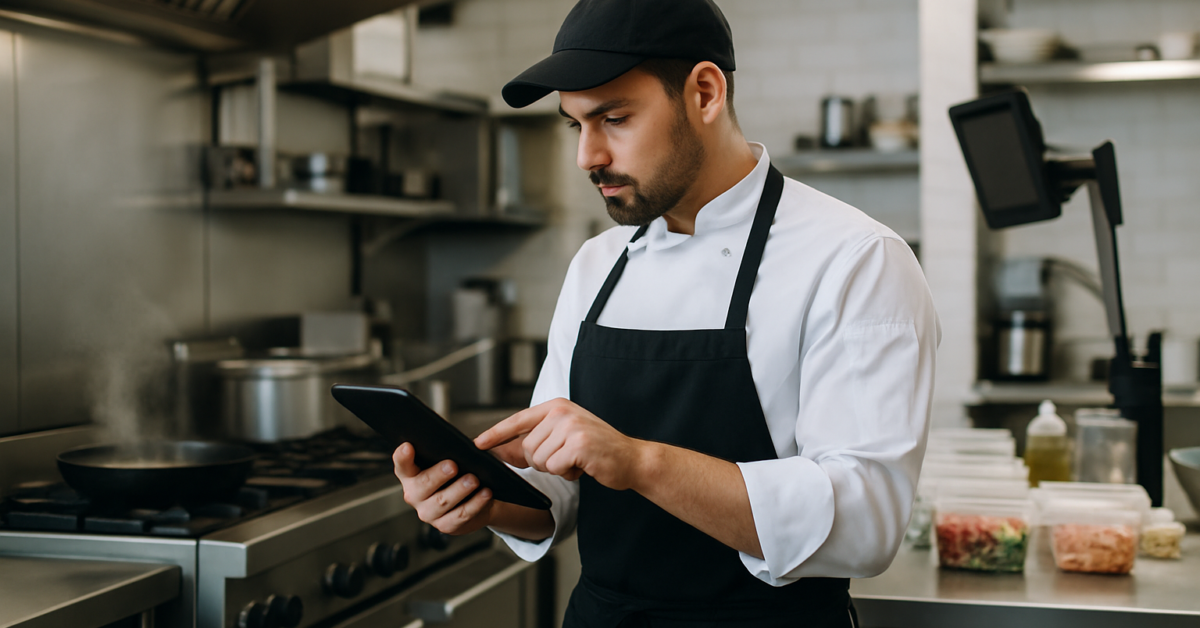
What Is a Ghost Kitchen? Understand Its Impact on Food Delivery
Have you ever wondered what is a ghost kitchen and how it’s transforming the food industry? As consumer preferences shift toward convenience, the rise of ghost kitchens has become a pivotal trend in food service. These innovative culinary spaces operate without traditional dining areas, focusing solely on food delivery. With over 60% of consumers preferring to order food online, ghost kitchens present a unique opportunity for restaurant owners and entrepreneurs alike. In this article, we will delve into the essence of ghost kitchens, their advantages, and how they are reshaping the restaurant landscape. By the end, you will have a thorough understanding of what ghost kitchens are and their significance in today’s food delivery ecosystem.
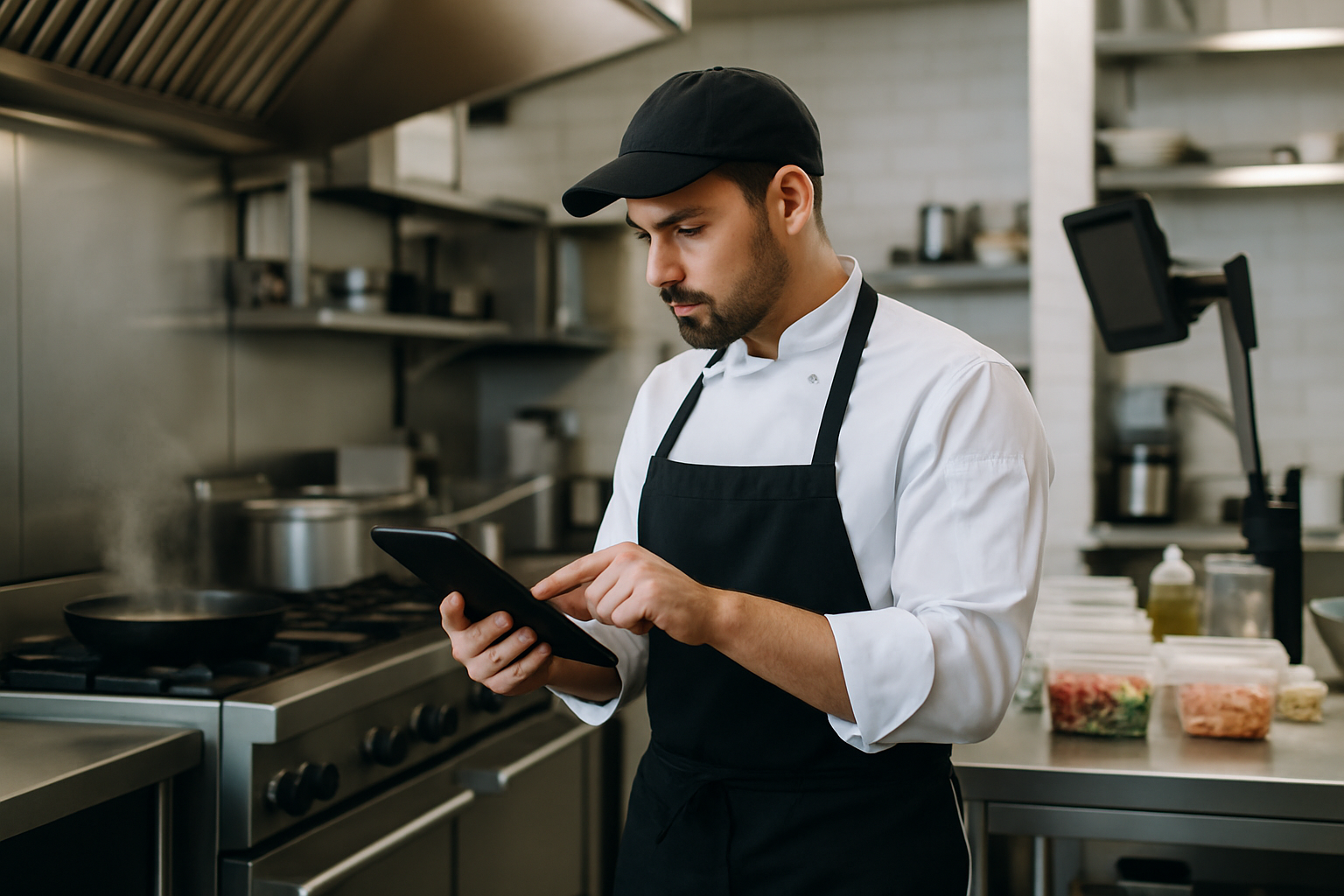
Understanding Ghost Kitchens
Ghost kitchens, also known as cloud kitchens or virtual kitchens, are commercial cooking spaces that operate without a traditional dine-in option. They are designed solely for food delivery and takeout, allowing restaurants to reduce overhead costs while expanding their reach. The rise of food delivery apps has accelerated the popularity of ghost kitchens, providing a platform for restaurant operators to serve customers without the constraints of a physical location. These kitchens typically utilize delivery services to connect with consumers, offering a range of cuisines from various culinary styles.
The Concept Behind Ghost Kitchens
The primary concept of ghost kitchens is efficiency. By eliminating the need for a storefront, restaurants can focus on food production and delivery. This model is particularly appealing to new entrepreneurs looking to enter the food industry with lower startup costs, as they can rent kitchen space without the burden of a full-service restaurant. Additionally, ghost kitchens can adapt quickly to market demands, enabling operators to pivot their menus based on emerging trends.
Benefits of Ghost Kitchens
Ghost kitchens offer multiple advantages, including reduced overhead costs, flexibility in menu offerings, and scalability. Without the need for a dining area, businesses can save on rent and utilities. This model also allows for experimentation with different cuisines and concepts, as operators can quickly modify their offerings based on customer feedback. Moreover, ghost kitchens can serve multiple brands from one location, maximizing efficiency and resource utilization.
Key Points:
- Ghost kitchens prioritize delivery and takeout services.
- They help reduce costs and allow for culinary experimentation.
The Operational Model of Ghost Kitchens
Ghost kitchens operate on a unique model that combines technology and culinary efficiency. Typically, these kitchens are equipped with commercial-grade equipment and utilize delivery platforms to manage orders. Operators can run multiple brands from a single kitchen, which streamlines operations and maximizes the use of resources. The operational model also emphasizes online marketing and branding since most customer interactions occur through digital platforms. This reliance on technology allows for data-driven decisions about menu offerings and customer preferences.
Technology Integration
The success of ghost kitchens hinges on effective technology integration. Operators often rely on online ordering systems, delivery apps, and inventory management software to streamline processes. This technological backbone allows for real-time order tracking, efficient inventory management, and enhanced customer interaction. By leveraging data analytics, ghost kitchens can optimize their menus and target marketing efforts, ensuring they meet customer demands efficiently.
Operational Efficiency
Operational efficiency is key to the success of ghost kitchens. By focusing solely on food preparation and delivery, these kitchens can minimize waste and maximize productivity. Staff can be trained specifically for high-volume production, and workflows can be optimized for speed and quality. Additionally, by serving multiple brands from one kitchen, operators can share resources, such as staff and ingredients, further enhancing efficiency.
Key Points:
- Technology is crucial for managing operations in ghost kitchens.
- Efficiency in food preparation directly impacts profitability.
Understanding Ghost Kitchens
A ghost kitchen, often referred to as a virtual kitchen or cloud kitchen, is a food preparation facility that serves delivery-only meals. These kitchens operate without a traditional storefront, allowing restaurateurs to save on rent and overhead costs. They can be standalone entities or part of a larger shared kitchen space. The primary advantage is maximizing efficiency by focusing solely on food delivery, catering to the growing demand for convenience in dining. As more consumers turn to food delivery services, ghost kitchens present an innovative solution for restaurants looking to expand their reach without substantial investment in physical real estate.
Benefits of Ghost Kitchens
Ghost kitchens offer several key benefits, including reduced operational costs and flexibility in menu offerings. By eliminating the need for a dine-in space, operators can allocate resources towards high-quality ingredients and fast service. Additionally, these kitchens can adapt their menus based on customer preferences and trends, allowing for quick pivots to meet market demand. This adaptability is crucial in a fast-paced food industry where consumer tastes can shift rapidly.
Market Trends Influencing Ghost Kitchens
The rise of food delivery platforms and changing consumer behaviors are significant factors influencing the growth of ghost kitchens. With the increase in online food ordering, many traditional restaurants are exploring ghost kitchen models to capture additional revenue streams. Furthermore, the COVID-19 pandemic accelerated this trend as consumers sought safe and convenient dining options. Data shows that the ghost kitchen market is expected to continue expanding, driven by increasing demand for delivery services and a preference for unique culinary experiences.
Key Points:
- Ghost kitchens operate without a physical storefront, focusing on delivery.
- They adapt quickly to market trends, catering to consumer demands effectively.
💡 Consider local market demand when selecting menu items for a ghost kitchen.
💡 Utilize data analytics to track customer preferences and optimize menu offerings.
💡 Invest in efficient kitchen technology to streamline operations and reduce wait times.
Operational Considerations for Ghost Kitchens
Running a ghost kitchen requires careful consideration of operational logistics, from kitchen design to staffing and supply chain management. Efficient layout design is essential to maximize workflow and minimize food preparation times. Additionally, hiring skilled kitchen staff who are adept at managing high-volume orders is crucial for maintaining quality and speed. Operators should also establish strong relationships with suppliers to ensure a steady flow of fresh ingredients, which is vital for customer satisfaction and retention.
Designing an Efficient Kitchen Layout
The layout of a ghost kitchen should prioritize efficiency and workflow. Features such as designated prep areas, cooking zones, and assembly lines help streamline operations. Operators should analyze their menu to create a layout that minimizes movement and maximizes productivity. An organized kitchen not only improves speed but also enhances food safety, which is critical for maintaining health standards in food preparation.
Staffing and Training for Success
Staffing is a critical element of operational success in ghost kitchens. Hiring experienced cooks who can handle high-pressure environments is essential. Additionally, providing thorough training on food safety practices and efficient cooking techniques ensures consistent quality. Regular team meetings can foster communication and help staff stay informed about menu changes and operational goals, creating a cohesive working environment.
Key Points:
- An efficient kitchen layout improves workflow and food safety.
- Skilled staff and proper training are crucial for maintaining service quality.
💡 Design your kitchen layout based on customer order patterns for optimal efficiency.
💡 Implement regular training sessions to keep staff updated on best practices and new menu items.
💡 Monitor inventory closely to reduce waste and ensure ingredient availability.
EXPERT TIPS Pro Advice
Leverage technology for order management.
Implementing robust order management systems can enhance efficiency and reduce errors, ensuring timely deliveries and customer satisfaction.
Focus on marketing through digital channels.
Effective digital marketing strategies can help increase visibility and attract customers, as ghost kitchens primarily rely on online orders.
Experiment with menu items to find best-sellers.
Regularly testing and rotating menu items can help identify customer favorites, driving repeat business and maximizing profits.
Establish partnerships with delivery services.
Collaborating with multiple delivery platforms can broaden reach and improve order fulfillment, catering to diverse customer preferences.
Prioritize food quality and presentation.
Even for delivery, high-quality food that is well-presented can enhance customer experience and lead to positive reviews and repeat orders.
Frequently Asked Questions
Conclusion
Ghost kitchens are innovative spaces designed for food delivery without traditional storefronts. They operate by renting kitchen space and leveraging online platforms. As consumer preferences shift towards convenience, ghost kitchens offer a cost-effective solution for restaurants and aspiring food entrepreneurs alike.
🎯 Key Takeaways:
- Ghost kitchens focus on delivery and takeout, reducing overhead costs.
- They allow multiple brands to operate from a single kitchen space.
- Starting a ghost kitchen requires proper permits and market research.
- They provide restaurants with flexibility and reduced financial risk.
Expert Advice: Consider your unique market and operational capabilities before venturing into a ghost kitchen. This model can be lucrative but requires strategic planning and execution to succeed.
Explore local regulations and kitchen rental options to take the first step towards starting your ghost kitchen journey.